P. G. Wodehouse, the Funniest Writer in English
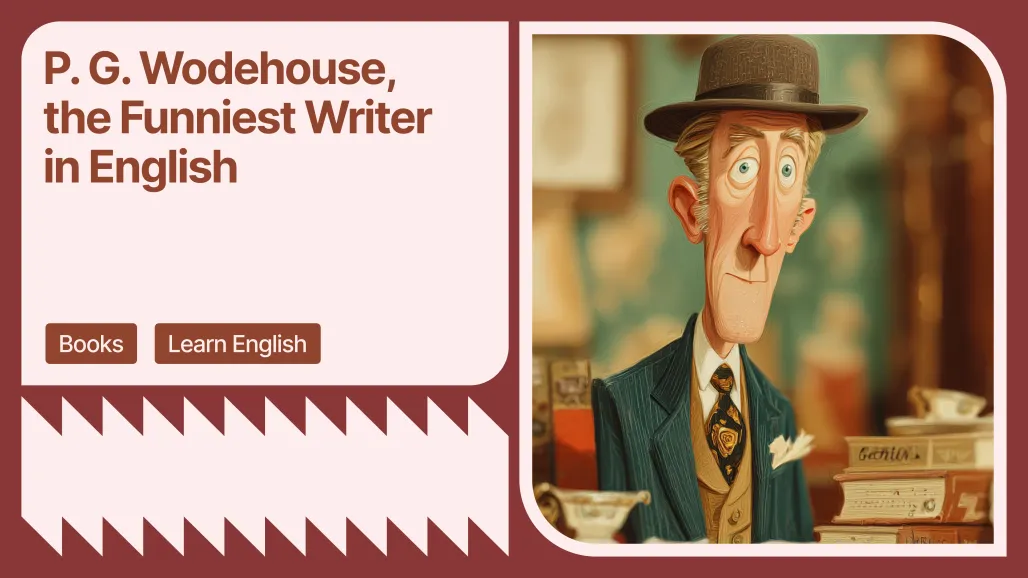
P. G. Wodehouse’s funniest stories show how brilliant language, clever plots, and unforgettable characters like Jeeves and Bertie create timeless comedy.
P. G. Wodehouse: From Bank Clerk to Comic Genius
Jeeves, Bertie, and the Art of Comic Chaos
The Secret of Wodehouse’s Language
Short Stories to Start With
A World Built for Laughter
“I could never write tragedy. All my stories end happily.”
— P. G. Wodehouse
Few writers have produced as much laughter as P. G. Wodehouse. Over a career that lasted more than seventy years, he wrote more than ninety books and hundreds of short stories. His comic world of country houses, eccentric relatives, and cheerful young gentlemen became one of the most recognizable landscapes in English literature.
Wodehouse believed literature should entertain. Instead of drama or social criticism, he perfected something rarer: pure comic storytelling, built on elegant language, absurd situations, and perfect timing.
P. G. Wodehouse: From Bank Clerk to Comic Genius
Pelham Grenville Wodehouse (1881–1975) was born in England but spent much of his life in the United States and France. Before becoming a writer, he worked at the Hongkong and Shanghai Bank in London — a job he found deeply dull. He later described this period with typical humor: “I spent two years in a London office and I would rather have had my right arm cut off at the elbow than continue there.”
This experience stayed with him. The boredom of office life appears in many of his early comic situations, where characters try to escape responsibility and routine.
Wodehouse began writing stories in his free time, and by the early 1900s his work was appearing in popular magazines. He soon left the bank and turned fully to writing, thus starting one of the most successful literary careers of the 20th century. He also became a successful lyricist, working on Broadway musicals with composers like Jerome Kern and George Gershwin. This experience helped develop his sense of rhythm and timing, which later became a key part of his comic style.
By the 1920s, Wodehouse had created his most famous characters: Jeeves and Bertie Wooster, along with the comic world of the Drones Club. His books remained widely popular for decades, and in 1975 he was awarded a knighthood by Queen Elizabeth II, shortly before his death.
Jeeves, Bertie, and the Art of Comic Chaos
At the heart of Wodehouse’s humor is his most famous comic pair: Bertie Wooster and Jeeves. Bertie is friendly, loyal, and easily confused. Jeeves is calm, intelligent, and always in control. Their partnership follows a clear pattern: Bertie creates a problem, and Jeeves quietly solves it.
Bertie once describes him with admiration: “Jeeves is a genius. From the collar upward he stands alone.”

Around this central pair, Wodehouse builds his favorite comic situations. His stories rarely depend on big events. Instead, they begin with small social problems that grow into chaos.
A young man agrees to marry the wrong person. A friend asks for help with a romantic plan. An aunt demands responsibility from someone who wants an easy life. These situations quickly become complicated as characters hide, lie, and misunderstand one another.
Wodehouse returns again and again to certain comic motifs: overpowering aunts, nervous lovers, confident but foolish young men, and clever servants who understand everything. These elements create a familiar world where readers know trouble is coming — and enjoy watching it unfold.
The humor comes from contrast. The problems are often trivial, but the characters treat them as extremely serious. Bertie may risk his reputation over something as small as a broken promise or a missing object. Meanwhile, Jeeves observes quietly and produces a perfect solution at the last moment. This pattern (confusion followed by elegant resolution) is one of Wodehouse’s greatest inventions. It turns everyday social life into a form of comic art.
The Secret of Wodehouse’s Language
Wodehouse’s humor comes not only from the story, but from the way he uses English. His writing is especially helpful for ESL learners because it shows how language can be playful and expressive.
He often uses creative comparisons (similes):

These help learners practice describing people and situations in a vivid way.
Wodehouse also prefers strong, specific verbs. Characters do not just “walk” — they burst, drift, or creep. This makes actions clearer and more interesting.
Another key feature is polite and formal English, especially in Jeeves’s speech:
- “I would suggest…”
- “If I might recommend…”
These are useful examples of indirect and polite grammar.
He also builds sentences that end with a surprise:

This shows how English can create humor through contrast.
Finally, his stories use a lot of dialogue, which helps learners understand natural conversation and different speaking styles.
Reading Wodehouse is a fun way to improve vocabulary, grammar, and tone at the same time.
Short Stories to Start With
Wodehouse’s short stories are the best introduction to his humor. They are fast, lively, and built around perfectly timed misunderstandings.
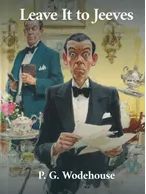
“Leave It to Jeeves” introduces the famous partnership between Bertie and Jeeves. Bertie attempts to solve a romantic problem for a friend and naturally makes the situation worse before Jeeves calmly fixes everything.
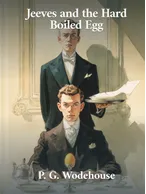
Another excellent story is “Jeeves and the Hard-Boiled Egg.” A quiet visit to a country house turns into comic confusion when Bertie becomes involved in a complicated social scheme.
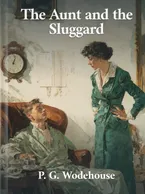
In “The Aunt and the Sluggard,” Wodehouse explores one of his favorite themes: strict aunts trying to improve lazy young men. The story gently mocks family authority and social expectations.
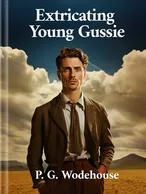
“Extricating Young Gussie” shows Bertie attempting to help a shy friend win the heart of a girl. His plan creates even greater embarrassment, demonstrating how Wodehouse builds humor from well-intentioned mistakes.
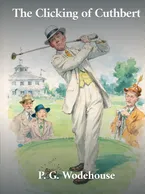
Some stories move outside the Jeeves world. “The Clicking of Cuthbert” is a playful satire about golf, where dramatic romantic stories are told between rounds of the game.
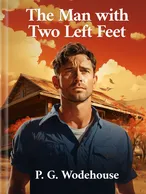
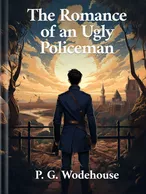
Wodehouse also wrote light romantic comedies such as “The Man with Two Left Feet,” where a shy young man suddenly becomes brave because of love, and “The Romance of an Ugly Policeman,” which humorously shows how affection can transform self-confidence.
Together these stories reveal the range of Wodehouse’s humor: from social satire to romantic comedy.
A World Built for Laughter
P. G. Wodehouse created a unique comic world where small problems grow into chaos, clever solutions arrive at the last moment, and everything is told with elegant, playful language.
His stories combine memorable characters like Bertie Wooster and Jeeves, carefully built comic situations, and a style of English that turns even simple sentences into jokes. He returned again and again to familiar themes — awkward social situations, powerful relatives, and well-meant plans that go wrong, yet always found new ways to make them funny.
His short stories are the best way to experience this craft. They show how humor can come from structure, timing, and language, not just from events.