Jules Verne, The Man Who Dreamed the Future

Explore Jules Verne’s greatest adventures and how his bold imagination shaped science, fiction, and the way we dream about the future.
🚢 Twenty Thousand Leagues Under the Seas (1870)
🌋 A Journey into the Interior of the Earth (1864)
🌏 Around the World in Eighty Days (1873)
🌕 From the Earth to the Moon (1865)
🏝️ The Mysterious Island (1875)
Jules Verne's Legacy: A Mind That Changed the World
What if you could travel to the center of the Earth? Or fly to the Moon—before rockets existed? Or explore the deep sea in a powerful submarine?
Jules Verne wrote about all of this—and more—in the 1800s.
He didn’t just write stories. He imagined worlds, adventures, and technologies that didn’t exist yet. Many later became real. That’s why he’s often called the father of science fiction.
Let’s take a look at his most famous books—and why they still matter today.
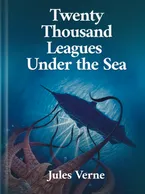
🚢 Twenty Thousand Leagues Under the Seas (1870)
Before submarines became real, Jules Verne imagined the Nautilus—a sleek, silent vessel that could explore the deepest parts of the ocean. His vision of life beneath the waves was so vivid and scientific that real submarine pioneers later said they were inspired by it.
The story follows Professor Aronnax, his servant Conseil, and a Canadian harpooner named Ned Land as they are captured by the mysterious Captain Nemo. As they travel around the world undersea, they witness coral forests, shipwreck graveyards, and giant squids. But the true mystery is Nemo himself—a genius who has turned his back on society.

If you're the kind of reader who loves mystery, futuristic ideas, and the pull of the unknown, this is your perfect entry into Verne’s world.
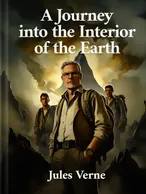
🌋 A Journey into the Interior of the Earth (1864)
In this bold and imaginative tale, Professor Lidenbrock discovers a coded note that claims there’s a way to reach the Earth’s core through an Icelandic volcano. He drags his hesitant nephew Axel on the journey, and together with their guide Hans, they descend into the Earth—through caverns, underground rivers, and even prehistoric landscapes.
Verne combines adventure with early geology and paleontology, inspiring generations of scientists and young readers alike. What’s amazing is how Verne made real scientific ideas thrilling, long before fantasy and science fiction were popular genres.

This book is ideal for curious minds who love the idea of going somewhere no one has ever gone before—beneath our very feet.
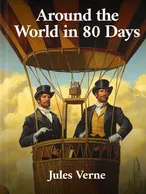
🌏 Around the World in Eighty Days (1873)
This fast-paced, fun story shows how new technology—railroads, steamships, and the telegraph—was shrinking the world in the 19th century. Phileas Fogg, a calm and punctual English gentleman, makes a bet that he can travel around the world in just 80 days. With his lively French servant Passepartout, he sets off across continents and oceans, meeting new cultures and facing unexpected delays.
The adventure is packed with clever escapes, culture clashes, and a surprising amount of humor. Verne celebrated the spirit of travel and the belief that humans could now do the impossible, thanks to modern progress.

If you enjoy stories of travel, wit, and quick thinking, this globe-trotting adventure is for you.
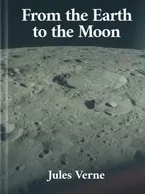
🌕 From the Earth to the Moon (1865)
Long before space travel was possible, Verne wrote a story about American engineers building a giant cannon to shoot a capsule into space. He correctly imagined the location of launch (Florida), the shape of the capsule, and even some of the physical challenges of spaceflight—more than 100 years before NASA existed.

The story mixes science, politics, ambition, and humor. A group of inventors from the Baltimore Gun Club argues, calculates, and builds their way to the stars, all in the name of progress and national pride.
This one’s perfect for dreamers, science fans, and anyone who’s ever looked at the stars and thought, “What if…?”
🏝️ The Mysterious Island (1875)
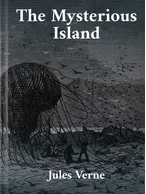
What happens when five men escape a war balloon and crash on a remote island with nothing but their wits? They survive—not just by luck, but by using science, creativity, and teamwork.
In The Mysterious Island, Verne creates a full survival story grounded in real knowledge. The characters build tools, create shelter, make fire, find food, and even develop technology—from scratch. It’s more than an adventure—it’s a celebration of human ingenuity.
This novel is also connected to Twenty Thousand Leagues Under the Seas and In Search of the Castaways, creating one of the earliest examples of a “shared universe” in fiction.

This is the perfect book for readers who love problem-solving, engineering, and survival stories. It’s also deeply inspiring—showing how knowledge and courage can build a world from nothing.
Jules Verne's Legacy: A Mind That Changed the World
Jules Verne didn’t just tell exciting stories—he shaped the way people dream, invent, and imagine the future.
His books sparked the early days of science fiction and inspired real scientific breakthroughs. Submarines, space travel, deep-sea exploration—many of these ideas were first brought to life in his pages, long before they became possible.
Writers like Arthur C. Clarke and Ray Bradbury, filmmakers like Steven Spielberg and James Cameron, and explorers like Jacques Cousteau all called Verne a major influence. NASA engineers have even pointed out how eerily close From the Earth to the Moon came to predicting real space missions.
His novels have been translated into more than 140 languages, making him one of the most widely read authors of all time. They've inspired countless movies, TV series, animated shows, comics, and even video games.
But more than anything, Verne gave people a sense of wonder. He showed that imagination isn’t just play—it’s a tool for discovery, progress, and hope.
“What one man can imagine, another will someday achieve.”
Reading Jules Verne is like stepping into a dream that helped build the real world. His books remind us that anything is possible—if we’re bold enough to imagine it.