H.G. Wells, Master of Short Stories and Science Fiction
Discover H.G. Wells through his short stories—quick, clever, and full of twists. A perfect start for sci-fi fans and curious readers!
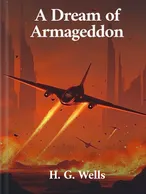
A Dream of Armageddon
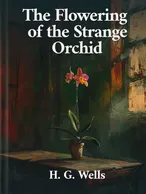
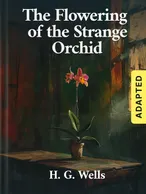
The Flowering of the Strange Orchid
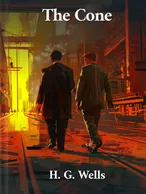
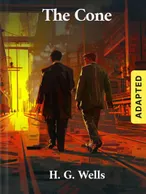
The Cone
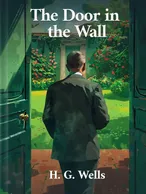
The Door in the Wall
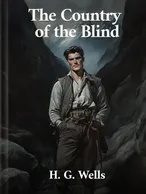
The Country of the Blind
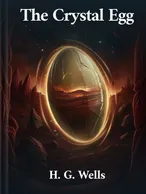
The Crystal Egg
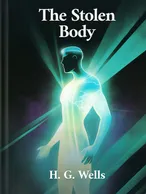
The Stolen Body
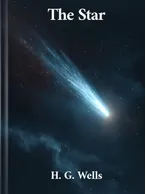
The Star
What About His Famous Novels?
Why You Should Read His Short Stories
H.G. Wells (Herbert George Wells, 1866–1946) was an English writer who helped shape modern science fiction. He wrote famous novels like The Time Machine and The War of the Worlds, but he also wrote many short stories — and these are some of his most exciting and enjoyable works.
Wells started life in a poor family and worked as a draper’s assistant before studying science under T.H. Huxley, a famous biologist and defender of Darwin’s theory of evolution. This scientific background gave Wells’s fiction a strong mix of real science and imagination.
He was not only a writer but also a thinker who wrote about politics, education, and the future. He believed in progress and dreamed of a better world — though many of his stories also warned about what could go wrong if we misused science. Wells met and debated with famous writers like Henry James, and even Joseph Conrad admired his work. He exchanged letters with Leo Tolstoy and interviewed Stalin in 1934 — though he found the Soviet leader’s answers unimpressive.
His life was full of curiosity, invention, and energy — and that spirit lives on in every page he wrote.
Wells’s short stories are often strange, clever, and full of unexpected twists. Best of all, they are usually only a few pages long — perfect for busy readers, curious minds, and even English learners. You don’t need to read a whole novel to experience his big ideas. These stories are quick to read, easy to follow, and often end with a surprise that makes you think.
Let’s explore some of his most powerful short stories — each one a little window into science, mystery, or human nature.
A Dream of Armageddon
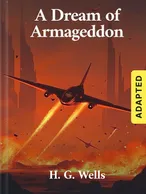
In this story, a man tells about his strange dreams of a future world destroyed by war. The dreams feel real, like memories. It’s a haunting look at future visions, peace vs. power, and how choices can shape history. The story feels modern even today.

If you're learning English, we recommend starting with the adapted version of this story.
The Flowering of the Strange Orchid
A man buys a rare orchid, but it starts to grow in a very unusual — and scary — way. This story is a fun mix of botany, suspense, and science gone wrong. It shows how even something beautiful can be dangerous.

English learners might enjoy the easier adapted version of this tale.
The Cone
Set in a dark industrial town, this story tells of a visit to a dangerous iron factory — and a secret between two men. It’s more like a thriller than science fiction, with deep emotions and a shocking ending.

This story is also available in a simplified version, perfect for ESL readers.
The Door in the Wall
A successful man remembers finding a mysterious green door as a child. Behind it was a peaceful, magical world — but he never returned. This quiet, emotional story is about lost chances, childhood dreams, and the path not taken.

The Country of the Blind
A man discovers a hidden valley where everyone is blind. He believes he can help them — but they see the world differently. This brilliant tale explores difference, arrogance, and the idea that seeing doesn’t always mean understanding.

The Crystal Egg
In a London shop, a man finds a glowing egg that shows visions of Mars. The story connects to Wells’s later novel The War of the Worlds and asks: What if we’re being watched? It mixes everyday life with cosmic mystery.

The Stolen Body
Two researchers try astral projection — separating the spirit from the body. But something goes wrong. This short tale is a creepy mix of science and the supernatural, showing how curious minds can get into serious trouble.

The Star
A new star appears in the sky — and heads toward Earth. People panic, but the ending isn’t what you expect. This cosmic story reminds us how small we are in the universe, and how big events can bring out fear, wonder, and hope.

What About His Famous Novels?
Wells is best known for these three books:
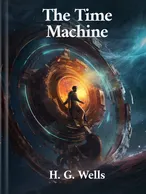
The Time Machine – A traveler builds a machine that takes him far into the future, where he meets strange beings called Morlocks and Eloi. This novel introduced the idea of time travel as science, not magic — and it asks deep questions about human progress and class division.
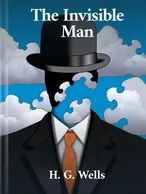
The Invisible Man – A scientist discovers how to make himself invisible, but things quickly go wrong. It’s a mix of science fiction and psychological horror, exploring how power and isolation can change a person.
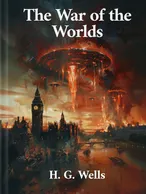
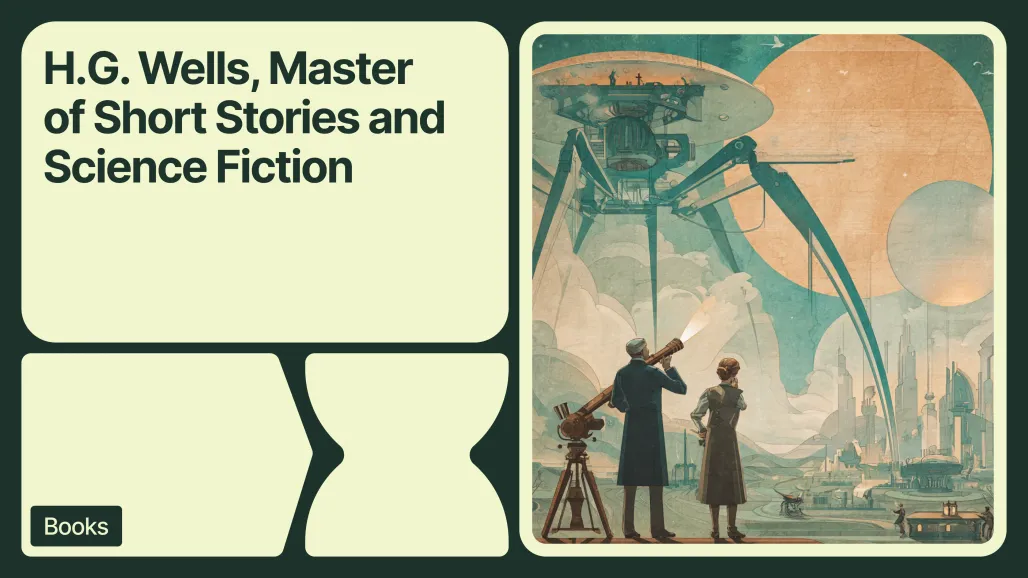
The War of the Worlds – Martians land on Earth and begin destroying everything in their path with heat rays and giant machines. This was one of the first alien invasion stories ever written, and it makes us think about survival, technology, and how humans react to fear.
These novels are amazing, but they take more time to read. If you want to start small, Wells’s short stories are the perfect way in.
Why You Should Read His Short Stories
H.G. Wells’s short stories are a great way to explore classic science fiction without needing a lot of time. Each one is short and easy to follow, even if you're still learning English. They often start with something simple — a man in a shop, a strange plant, or a new star in the sky — but quickly turn into something surprising or mysterious.
These stories are full of imagination and big ideas, but they’re also fun to read. You never know what will happen next, and many of them end with a twist that makes you think. Best of all, you can enjoy an entire story in one sitting — whether on a lunch break, before bed, or as part of a reading routine.
Even though H.G. Wells wrote more than 100 years ago, his stories still feel fresh, exciting, and meaningful today. If you’re curious about science, human nature, or the unknown, his short stories are a perfect place to start.
Start with any story above and discover the joy of classic sci-fi in just one sitting.