Patrick Hamilton was a distinguished British author, born on March 17, 1904, in the bustling city of London, England. His literary journey was shaped by both his early experiences and the tumultuous social landscape of the early 20th century. He passed away on September 23, 1962, in the same city, leaving behind a legacy of compelling narratives that explored the darker sides of human nature and the complexities of life.
Hamilton's early life was marked by a mix of privilege and struggle. He was born into a well-to-do family, but his childhood was not without its challenges. The family faced financial difficulties, which affected his education and outlook on life. Despite these hardships, Hamilton showed an early affinity for literature and writing, often immersing himself in the works of notable authors. His experiences during World War I and the subsequent societal changes profoundly influenced his perspective and thematic choices as a writer.
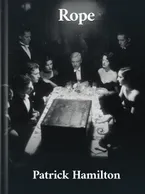
Hamilton's literary career began in the 1920s, and he quickly gained recognition for his unique style and ability to capture the essence of human emotions. His most notable works include "Hangover Square," a darkly humorous novel set in pre-war London, and "The Slaves of Solitude," which depicts the isolation and despair of life in a boarding house during World War II. He also wrote plays, with "Rope" being one of his most famous, later adapted into a successful film by Alfred Hitchcock. Hamilton's writing often delved into themes of addiction, loneliness, and moral ambiguity, showcasing his deep understanding of the human psyche.
In his personal life, Hamilton faced struggles with alcoholism, which affected both his health and his relationships. Despite these challenges, his literary output remained significant, and he continued to write until his later years. His works, characterized by their wit and psychological insight, have endured through time, earning him a place among the notable authors of the 20th century. Today, Patrick Hamilton is remembered for his contributions to literature, as well as his ability to illuminate the complexities of human existence in a rapidly changing world.
Patrick Hamilton was a British playwright and novelist, born on March 17, 1904, in Wandsworth, London. He is best known for his plays and novels that often explore themes of psychological complexity and moral ambiguity.