
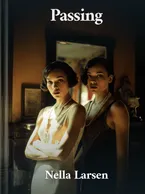
Nella Larsen, a prominent figure of the Harlem Renaissance, was born on April 13, 1891, in Chicago, Illinois. Her full name was Nella Larsen, and she was the daughter of a Danish immigrant father and a West Indian mother. This multicultural background influenced her literary perspective, allowing her to explore themes of race, identity, and belonging in her works. Larsen's life journey would ultimately lead her to become a significant voice in American literature.
Larsen's early life was marked by the challenges of navigating her mixed heritage. After her parents' separation, she was raised primarily by her mother, who instilled in her a strong educational foundation. Larsen attended the University of Chicago, where she pursued nursing and later moved to New York City to further her education. It was in New York that she became immersed in the vibrant cultural scene of the Harlem Renaissance, which would shape her literary career.
Larsen's literary career began with the publication of her first novel, "Quicksand," in 1928, which explored the struggles of a biracial woman seeking her place in society. This was followed by her acclaimed work "Passing," published in 1929, which delved into themes of racial identity and the complexities of passing for white. Both novels garnered significant attention for their nuanced portrayals of African American life and the psychological turmoil faced by individuals caught between different worlds.
Despite her early success, Larsen's literary output diminished in the following decades, largely due to personal challenges, including her tumultuous marriage and the impact of the Great Depression. She worked in various capacities, including as a librarian and a teacher, while her works fell into relative obscurity. It was not until the late 20th century that Larsen's contributions were rediscovered and celebrated, earning her a place among the greats of American literature.
Nella Larsen passed away on March 30, 1964, in New York City. Her legacy endures through her powerful exploration of identity and race, making her an essential figure in the canon of American literature. Through her works, Larsen continues to resonate with readers, inspiring discussions on race, gender, and the complexities of human experience.
Nella Larsen was an American novelist and short story writer, associated with the Harlem Renaissance, known for her exploration of race, identity, and gender.