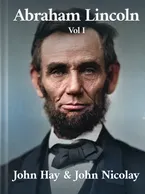
John Hay, born on October 8, 1838, in Salem, Indiana, was a prominent American author, diplomat, and statesman. He is best known for his significant contributions to American literature and his role as a key figure in the political landscape of the late 19th century. Hay passed away on July 1, 1905, in Newburyport, Massachusetts, leaving behind a rich legacy in both literature and public service.
Growing up in a family of modest means, Hay's early life was marked by a strong emphasis on education. He attended Brown University, where he honed his writing skills and developed a keen interest in literature and politics. After graduating in 1858, he moved to Illinois and formed a close friendship with the future president Abraham Lincoln, which would profoundly influence his career.
Hay's literary career began in earnest when he joined the staff of the "Chicago Republican" and later became an assistant to Lincoln during the Civil War. His notable works include the poetry collection "Pike County Ballads" and the historical novel "The Bread-Winners," which reflects the social issues of his time. He is perhaps best known for his posthumously published "Lincoln: The Complete Works," a comprehensive compilation of Lincoln's writings and speeches.
In addition to his literary achievements, Hay had a distinguished career in public service. He served as the U.S. Ambassador to the United Kingdom and later as Secretary of State under Presidents McKinley and Roosevelt. His diplomatic efforts, particularly in the realm of foreign affairs, were instrumental in shaping U.S. policy during a transformative period in American history.
Hay's personal life was marked by his marriage to Clara Stone, with whom he had three children. His experiences as a public servant and writer were intertwined, and he often drew inspiration from his political life in his literary works. John Hay remains a significant figure in American literature and history, celebrated for his contributions to both the written word and the nation.
John Hay was an American author, diplomat, and politician who served as the private secretary to Abraham Lincoln and later as the U.S. Secretary of State.