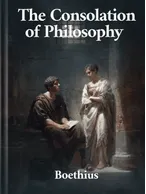
Anicius Manlius Severinus Boethius, commonly known as Boethius, was a Roman philosopher, theologian, and statesman whose works significantly influenced medieval philosophy and Christian theology. He was born around 480 AD in Rome, during the waning years of the Western Roman Empire. Boethius was a member of a prominent Roman family, which afforded him access to a comprehensive education in philosophy and the liberal arts.
Boethius is best known for his seminal work, "The Consolation of Philosophy," written while he was imprisoned on charges of treason. This text reflects his philosophical inquiries into the nature of happiness, fortune, and the existence of God, blending Platonic thought with Christian doctrine. Other notable works include "On the Consolation of Philosophy," "Theological Tractates," and translations and commentaries on Aristotle's works, which helped preserve and transmit classical philosophy to the Middle Ages.
His early life was marked by significant achievements; he held various political offices, including consul, and was highly regarded for his intellect and administrative skills. However, his fortunes changed dramatically when he fell out of favor with the ruling powers, leading to his imprisonment and eventual execution around 524 AD in Pavia, Italy.
Despite the tragic turn of his personal life, Boethius's literary career thrived during his imprisonment. "The Consolation of Philosophy," composed in a dialogue format between himself and Lady Philosophy, became a cornerstone of Western thought, influencing countless writers and thinkers throughout the centuries. His ability to blend personal suffering with philosophical reflection created a lasting impact.
In his personal life, Boethius was married and had children, although details about his family life remain sparse. His legacy endures not only through his philosophical works but also as a symbol of the struggle for intellectual freedom against the backdrop of political tyranny. His synthesis of classical and Christian thought laid the groundwork for future philosophical inquiry, ensuring that his ideas would resonate through the ages.
Boethius was a Roman philosopher, statesman, and theologian, born around 480 AD. He is best known for his work 'Consolation of Philosophy'.