The story was published in 1884 as part of a collection of fables by Leo Tolstoy.
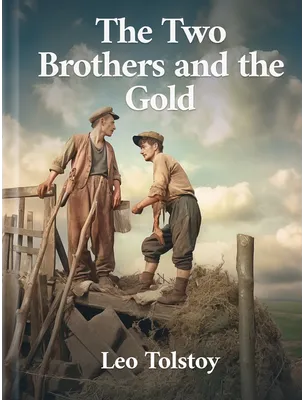
"The Two Brothers and the Gold" ("Два брата и золото") is a short story by Leo Tolstoy written in 1885. This story discusses the joys of poverty if poverty is willingly accepted.
In the enchanting tale "The Two Brothers and the Gold," renowned author Leo Tolstoy invites readers into a world of moral dilemmas and familial bonds. The story revolves around two brothers, whose contrasting views on wealth and happiness lead them down very different paths. As they stumble upon a hidden treasure of gold, their choices reveal the true nature of greed and generosity. One brother dreams of riches and power, while the other seeks a simpler, more meaningful life. This powerful narrative explores the tensions between ambition and contentment, and how the quest for material wealth can shape our destinies. With each decision, the brothers' relationship is tested, leading to profound lessons about trust, love, and the true value of life. Tolstoy's timeless fable encourages readers to reflect on what truly matters in a world often blinded by the glitter of gold.
Full Name: Leo Nikolayevich Tolstoy
Birthdate: September 9, 1828
Place of Birth: Tula Province, Russia
Date and Place of Death: November 20, 1910, in Astapovo, Russia
Occupation: Novelist, playwright, essayist, and philosopher
Notable Works: "War and Peace," "Anna Karenina," "The Death of Ivan Ilyich," "The Kreutzer Sonata," and "The Kingdom of God Is Within You."
Early Life: Tolstoy was born into an aristocratic family. He lost his mother at a young age and was raised by relatives. He struggled with his studies but later attended the University of Kazan, where he studied law and languages.
Literary Career: Tolstoy began writing while serving in the army. His early works were inspired by his experiences in the war. "War and Peace" and "Anna Karenina" established him as one of the greatest novelists in world literature. His later writings focused on moral and spiritual issues.
Personal Life: Tolstoy married Sophia Behrs in 1862, and they had 13 children. He had a complex relationship with his family and struggled with his beliefs about love, faith, and society. He became increasingly interested in religion and ethics, leading to a spiritual awakening in his later years.
Leo Tolstoy was a famous Russian author known for his novels like 'War and Peace' and 'Anna Karenina'. He was also a moral philosopher and social reformer.
Tolstoy was inspired by his beliefs about morality and the nature of wealth, and he often wrote stories to convey moral lessons.
The story is a fable, which is a short tale that teaches a moral lesson.
The main characters are two brothers who have different views on wealth and how to use it.
The plot revolves around two brothers who find a large amount of gold and how their differing attitudes toward it affect their lives.
Key themes include greed, the value of family, and the moral implications of wealth.
The gold represents wealth and its potential to corrupt, while the brothers symbolize different moral choices.
Readers often praise the story for its simple yet profound moral lessons, and it is considered an important work in children's literature.
Yes, it has been adapted into various formats, including children's books and animated stories, to reach a broader audience.