'A Treatise of Human Nature' was published in three volumes between 1739 and 1740.
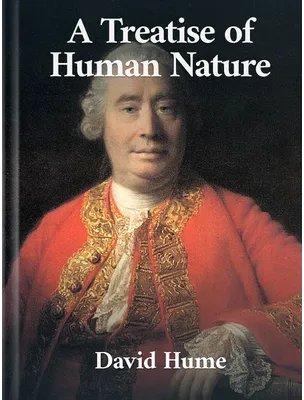
A Treatise of Human Nature is one of the most powerful works of literature in philosophy. The book is a deep dive by philosopher David Hume into human nature and how to learn about and understand it. He touches on skepticism, naturalism, and empiricism as he unfolds why people do what they do.
In the profound exploration of the human experience, "A Treatise of Human Nature" by David Hume takes us on a journey into the very essence of what it means to be human. Hume, a keen observer of life, serves as both the narrator and a central character, guiding us through the labyrinth of our thoughts, emotions, and actions. As we delve into the depths of reason, passion, and morality, we encounter the fundamental conflict between our rational minds and our instinctual desires. This philosophical masterpiece invites readers to reflect on the nature of knowledge, the impact of experience, and the complexities of human behavior. With clarity and insight, Hume challenges us to question our beliefs and assumptions, making this treatise not just a book, but a mirror held up to our very souls. Prepare to engage with ideas that resonate through time, as Hume's thoughts continue to shape our understanding of ourselves and the world around us. Join this intellectual adventure and uncover the mysteries of human nature that lie within these pages.
Full Name: David Hume
Birthdate: April 26, 1711
Place of Birth: Edinburgh, Scotland
Date of Death: August 25, 1776
Place of Death: Edinburgh, Scotland
Occupation: Philosopher, Historian, Economist, Essayist
Notable Works: "A Treatise of Human Nature," "An Enquiry Concerning Human Understanding," "The History of England," and "Essays, Moral and Political."
Early Life: David Hume was born into a wealthy family in Edinburgh. He was the second son and grew up in a time of great intellectual activity. Hume was educated at the University of Edinburgh but left without a degree at the age of 15.
Literary Career: Hume began his literary career with "A Treatise of Human Nature," published in 1739. Although initially met with little success, his ideas about human behavior, knowledge, and skepticism gained recognition over time. He became a leading figure in the Scottish Enlightenment and contributed to philosophy, economics, and history.
Personal Life: Hume never married and lived a simple life. He was known for his sociable nature and enjoyed the company of friends and fellow thinkers. Hume's works continue to influence modern philosophy, especially in the areas of empiricism and skepticism.
David Hume was a Scottish philosopher, historian, and economist, known for his influential ideas in philosophy, particularly regarding empiricism and skepticism.
Hume aimed to explore human psychology and behavior, challenging existing philosophical ideas and seeking to understand how we perceive the world.
'A Treatise of Human Nature' is a philosophical work that combines elements of psychology, ethics, and epistemology.
The book does not have traditional characters. Instead, it presents ideas and concepts about human nature and behavior.
The treatise explores human emotions, reasoning, and social interactions, examining how these factors influence our understanding of the world.
Key themes include empiricism, the nature of knowledge, morality, and the role of emotions in human decision-making.
Hume uses metaphors and analogies to illustrate complex ideas, emphasizing the interconnectedness of thought and experience.
Initially, 'A Treatise of Human Nature' received mixed reviews, but it later gained recognition as a foundational work in modern philosophy.
While there are no direct adaptations, Hume's ideas have influenced various fields, including literature, psychology, and political theory.
Hume's exploration of human nature has shaped modern thought and discussions in philosophy, psychology, and social sciences.