'The Rhetoric' was written by Aristotle around 350 BCE.
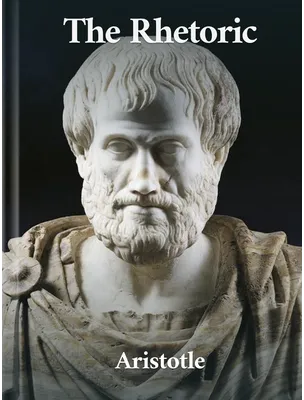
The Rhetoric is a text on the art of persuasion by Aristotle. It is considered the most important piece ever written on the subject by rhetoricians. The original text was written in the 4th century but luckily was translated in 1818. Aristotle was a philosopher and polymath from ancient Greece, and his work on rhetoric established the basis for its understanding. Read how Aristotle explains a new concept known and used as commonplace in society today.
In the ancient world of philosophy and persuasion, few texts have had as profound an impact as "The Rhetoric" by Aristotle. This timeless work invites readers into the mind of Aristotle, a brilliant thinker and teacher, as he explores the art of effective communication. Through engaging examples and insightful analysis, Aristotle introduces us to key concepts that shape our understanding of persuasion and influence.
At the heart of this exploration are the three main characters: ethos, pathos, and logos, each representing a different facet of rhetoric. Ethos speaks to credibility, pathos stirs emotions, and logos appeals to logic—together, they create a powerful framework for convincing others. As we journey through Aristotle's teachings, we confront the central theme of how language can be wielded as a tool for both good and manipulation.
Prepare to unlock the secrets of persuasion and discover how Aristotle’s insights remain relevant today. "The Rhetoric" is not just a historical text; it is a guide that encourages us to think critically about the power of words and the art of persuasion in our own lives.
Full Name: Aristotle
Birthdate: 384 BC
Place of Birth: Stagira, Greece
Date and Place of Death: 322 BC, Euboea, Greece
Occupation: Philosopher, Scientist, Teacher
Notable Works: Some of his famous works include "Nicomachean Ethics," "Politics," "Metaphysics," and "Poetics."
Early Life: Aristotle was born in Stagira. His father was a physician, and this influenced Aristotle's interest in biology and the natural world. At the age of 17, he moved to Athens to study at Plato's Academy.
Literary Career: After Plato's death, Aristotle left the Academy and later became the tutor to Alexander the Great. He founded his own school, the Lyceum, where he wrote many important texts. His ideas laid the foundation for many fields, including philosophy, ethics, politics, and science.
Personal Life: Aristotle married Pythias, with whom he had a daughter. After her death, he had a relationship with Herpyllis, with whom he had a son named Nicomachus. Aristotle's teachings emphasized the importance of observation and experience, influencing generations of thinkers.
Aristotle was a Greek philosopher and student of Plato. He was inspired by the importance of persuasion in public life and wanted to explore how language can influence others.
'The Rhetoric' is a philosophical and rhetorical treatise that falls under the genre of classical philosophy.
'The Rhetoric' does not have characters like a novel. Instead, it focuses on concepts and techniques of persuasion.
There is no traditional plot in 'The Rhetoric'. Instead, it outlines Aristotle's theories on persuasion, including ethos (credibility), pathos (emotional appeal), and logos (logical argument).
Key themes include the power of persuasion, the role of ethics in communication, and the importance of understanding the audience.
The text uses rhetorical devices and examples as symbols to illustrate the techniques of effective persuasion.
'The Rhetoric' has been highly regarded throughout history as a foundational text in rhetoric and communication studies.
While there are no direct adaptations, its concepts have influenced countless works in literature, public speaking, and communication.
'The Rhetoric' has shaped the study of rhetoric for centuries and continues to be a key reference in education, politics, and law.