'Fables in Rhyme for Little Folks' was first published in 1668.
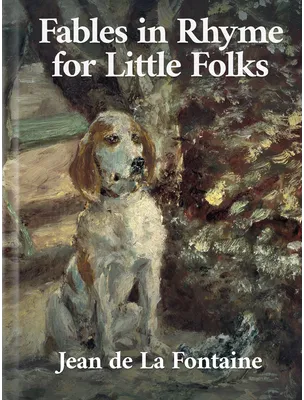
Fables in Rhyme for Little Folks is a wonderful collection of verses for children. Jean de La Fontaine took fables collected from many cultures and as the source material for these classics written in French free verse. The fables were initially meant for adults but worked well for children and are used in schools as a teaching tool.
Welcome to the enchanting world of "Fables in Rhyme for Little Folks," a delightful collection by the renowned author Jean de La Fontaine. In these charming tales, you will meet a host of memorable characters, from clever foxes to proud lions and wise turtles, each with their own unique story to tell. Through their adventures and misadventures, these animals come alive, teaching us valuable lessons about friendship, honesty, and the consequences of our actions.
As you turn the pages, you will discover that every fable carries a deeper meaning, wrapped in playful rhymes that captivate the imagination of young and old alike. The timeless themes of love, jealousy, and the struggle for power weave through each tale, keeping readers engaged while imparting wisdom that resonates across generations. Join us on this whimsical journey where laughter meets life lessons, and every story is a treasure waiting to be uncovered!
Full Name: Jean de La Fontaine
Birthdate: July 8, 1621
Place of Birth: Chateau-Thierry, France
Date and Place of Death: April 13, 1695, Paris, France
Occupation: Poet, Fabulist, and Writer
Notable Works: La Fontaine is best known for his fables, including "The Tortoise and the Hare," "The Fox and the Grapes," and "The Crow and the Fox." His collection "Fables" is a major work in French literature.
Early Life: La Fontaine was born into a family of modest means. He studied at a local school and later attended a Jesuit college. His early life was influenced by the values of education and storytelling.
Literary Career: La Fontaine began writing poetry in his twenties. He gained fame with his fables, which often conveyed moral lessons through animal characters. His works were popular among both the public and the nobility, and he became a leading figure in French literature.
Personal Life: La Fontaine had a complex personal life, marked by a troubled marriage and numerous relationships. He was known for his charm and wit, which made him popular in Parisian society. Despite his success, he faced financial struggles throughout his life.
Jean de La Fontaine was a French poet and fabulist, famous for his fables that often reflect human behaviors and morals.
The book belongs to the genre of fables, which are short stories that teach moral lessons, often featuring animals as characters.
The main characters often include animals like foxes, wolves, and frogs, each representing different human traits and behaviors.
The book consists of various fables, each telling a unique story that conveys a moral lesson, often with humorous twists.
Key themes include the morality of human behavior, the consequences of actions, and the importance of wisdom and cunning.
The animals symbolize different human qualities, such as greed, intelligence, and foolishness, making the stories relatable and educational.
The book has been widely praised for its clever storytelling and moral depth, becoming a classic in children's literature.
Yes, 'Fables in Rhyme for Little Folks' has been adapted into various formats, including illustrated editions and stage performances.
La Fontaine's fables have influenced literature and education worldwide, teaching morals and values to generations of readers.