'Mrs. Dalloway' was published on May 14, 1925.
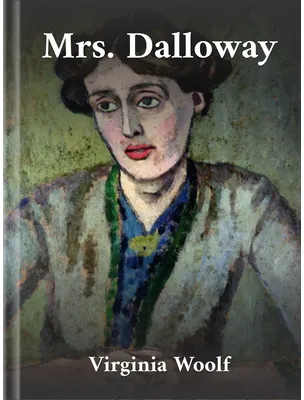
Clarissa Dalloway is a high society lady in England after World War I. Mrs. Dalloway written by the great Virginia Woolf, gets inside the head of Clarissa and society at that time after the war. The book's unorthodox style adds exciting insight as it tells the story from both Clarissa and other charaters' perspectives and travels back and forth through time in the story.
In Virginia Woolf's timeless novel, "Mrs. Dalloway," readers are transported to post-World War I London, where the echoes of war still linger in the air. The story follows Clarissa Dalloway, a vibrant and complex woman preparing for a grand party she is hosting that evening. As she walks through the city, her thoughts drift through memories, relationships, and the passage of time. Alongside Clarissa, we meet Septimus Warren Smith, a shell-shocked veteran grappling with the haunting effects of his experiences. The novel artfully weaves their lives together, exploring themes of mental health, societal expectations, and the search for identity. Through its rich prose and stream-of-consciousness style, "Mrs. Dalloway" invites readers to reflect on the nature of time and the connections between individuals. In this beautifully crafted narrative, Woolf captures the intricacies of human experience, making it resonate with readers across generations.
Full Name: Virginia Woolf
Birthdate: January 25, 1882
Place of Birth: London, England
Date and Place of Death: March 28, 1941, Sussex, England
Occupation: Novelist, essayist, and critic
Notable Works: Some of her most famous works include "Mrs. Dalloway," "To the Lighthouse," and "A Room of One's Own."
Early Life: Virginia was born into a literary family. Her father, Sir Leslie Stephen, was a prominent author and critic. She had a privileged upbringing but faced personal challenges, including the death of her mother when she was just 13.
Literary Career: Woolf began her writing career in the early 1900s, publishing her first novel, "The Voyage Out," in 1915. She was a key figure in the modernist movement and experimented with narrative techniques, especially stream of consciousness. Her works often explored themes of time, memory, and the inner thoughts of characters.
Personal Life: Virginia Woolf married Leonard Woolf in 1912. They founded the Hogarth Press, which published many important modernist works. Despite her literary success, Virginia struggled with mental health issues throughout her life. Tragically, she died by suicide in 1941, leaving behind a rich legacy of literature.
Virginia Woolf was an English writer and a key figure in the modernist literary movement. She is known for her novels, essays, and contributions to feminist literature.
'Mrs. Dalloway' is primarily a modernist novel, blending elements of literary fiction and psychological realism.
The main characters include Clarissa Dalloway, a high-society woman, and Septimus Warren Smith, a war veteran suffering from trauma.
The novel follows Clarissa Dalloway as she prepares for a party in London, weaving through her memories and thoughts, while also intersecting with Septimus's struggle.
Key themes include the passage of time, mental illness, social class, and the nature of identity.
The novel uses symbols like the flowers Clarissa buys, representing life and connection, and Big Ben, symbolizing the passage of time.
'Mrs. Dalloway' was well-received and is now considered a classic of modernist literature, praised for its innovative narrative style.
Yes, 'Mrs. Dalloway' has been adapted into films, plays, and even radio dramas, highlighting its ongoing relevance.
'Mrs. Dalloway' has influenced writers and artists, contributing to discussions on mental health, feminism, and modern life.