'Jane Austen' was published in 1925.
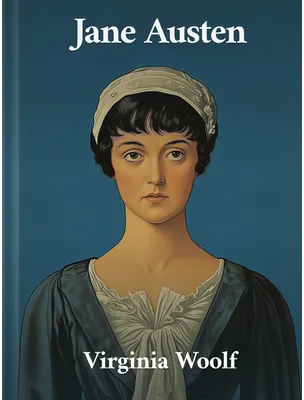
Virginia Woolf explores Jane Austen's life, literary genius, and untimely death, focusing on the interplay between her personal experiences and her work. Woolf highlights Austen’s precision, wit, and satire, noting her ability to immortalize seemingly trivial moments of daily life through profound observation and emotional depth.
In Virginia Woolf's captivating exploration, “Jane Austen,” we are invited into the intricate world of one of literature's most beloved authors. Through the eyes of an insightful narrator, we meet Jane Austen herself, a keen observer of society and human nature, grappling with the constraints of her time. As Woolf delves into Jane's life, we encounter her struggles with love, creativity, and the expectations placed upon women in the early 19th century. The narrative unfolds with a delicate balance of admiration and critique, revealing the profound impact of Austen's work on the literary landscape. Central to the story is Jane's passionate desire for independence and self-expression, a theme that resonates deeply in both her novels and her own life. Woolf's lyrical prose breathes life into Jane's journey, illuminating the trials and triumphs of a woman ahead of her time. With each page, readers are drawn into a rich tapestry of emotions, making “Jane Austen” a compelling tribute to both the author and her enduring legacy.
As we navigate this intimate portrait, we are reminded of the timeless nature of Austen's insights into love and society, making it a must-read for fans of classic literature and those seeking inspiration from a remarkable woman.
Full Name: Adeline Virginia Stephen
Birthdate: January 25, 1882
Place of Birth: London, England
Date and Place of Death: March 28, 1941, Sussex, England
Occupation: Novelist, Essayist, and Publisher
Notable Works: Some of her most famous works include "Mrs. Dalloway," "To the Lighthouse," "Orlando," and "A Room of One's Own."
Early Life: Virginia Woolf was born into a wealthy family. Her father was a writer and her mother was a famous model. She had a privileged upbringing but faced many challenges, including the early deaths of her parents. This affected her mental health throughout her life.
Literary Career: Woolf began writing in her twenties. She became a significant figure in modernist literature and was part of the Bloomsbury Group, a group of influential writers and artists. Her writing style often focused on the inner thoughts of characters and explored themes of time and identity.
Personal Life: Virginia married Leonard Woolf in 1912. They founded the Hogarth Press, which published many important works. Despite her success, Woolf struggled with mental illness and eventually took her own life in 1941. Her legacy continues to influence writers and readers today.
Virginia Woolf was an English writer and a key figure in modernist literature, known for her novels, essays, and her role in the Bloomsbury Group.
'Jane Austen' is a literary criticism work, focusing on the life and works of the famous author Jane Austen.
The book primarily discusses Jane Austen herself and reflects on her characters rather than focusing on a traditional plot.
'Jane Austen' does not have a traditional plot; instead, it consists of Woolf's reflections on Austen's writing style, character development, and social commentary.
Key themes include the exploration of women's roles in society, the nature of marriage, and the importance of personal integrity.
Woolf uses symbolism to connect Austen's life and her literary themes, emphasizing how her personal experiences influenced her writing.
'Jane Austen' received praise for its insightful analysis and is considered an important contribution to literary criticism.
There are no direct adaptations of 'Jane Austen' as it is a critical work, but Woolf's insights have influenced adaptations of Austen's novels.
'Jane Austen' has contributed to the appreciation of Austen's work and has inspired discussions about women's literature and modernism.