The book was first published in 1789.
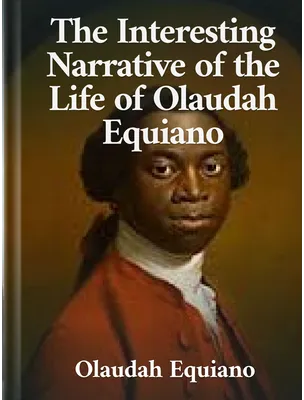
The Interesting Narrative of the Life of Olaudah Equiano, Or Gustavus Vassa, The African, first published in 1789 in London, is the autobiography of Olaudah Equiano. The narrative is argued to represent a variety of styles, such as a slavery narrative, travel narrative, and spiritual narrative. The book describes Equiano's time spent in enslavement, and documents his attempts at becoming an independent man through his study of the Bible, and his eventual success in gaining his own freedom and in business thereafter.
In “The Interesting Narrative of the Life of Olaudah Equiano,” author Olaudah Equiano takes readers on a remarkable journey through his life, from a young boy in Africa to a man who experiences the horrors of slavery and ultimately finds freedom. Equiano, the main character and narrator, shares his personal story, revealing the struggles and triumphs that define his existence. His journey is not just a tale of survival; it is a profound exploration of identity, resilience, and the quest for liberty.
As he navigates the treacherous waters of the Atlantic Slave Trade, Equiano confronts the brutal realities of enslavement while also highlighting the rich cultures and traditions of his people. The central conflict of the narrative lies in the fight against oppression and the longing for dignity and autonomy. Through his vivid descriptions and heartfelt reflections, Equiano invites readers to witness the strength of the human spirit in the face of unimaginable challenges.
This powerful narrative serves as both a personal memoir and a compelling call for social justice, urging us to recognize the shared humanity that binds us all. Join Equiano as he courageously recounts his story, shedding light on a dark chapter in history and inspiring generations to strive for freedom and equality.
Full Name: Olaudah Equiano
Birthdate: October 16, 1745
Place of Birth: Eboe, now in Nigeria
Date and Place of Death: March 31, 1797, in London, England
Occupation: Writer, abolitionist, and former enslaved person
Notable Works: "The Interesting Narrative of the Life of Olaudah Equiano"
Early Life: Olaudah Equiano was born in Eboe, Nigeria, into a rich culture. At the age of 11, he was captured and sold into slavery. He was taken to the Americas and worked on plantations before gaining his freedom.
Literary Career: Equiano wrote his autobiography, "The Interesting Narrative," published in 1789. The book tells his life story, including his experiences in slavery and his journey to freedom. It became an important work in the abolitionist movement, helping to raise awareness about the horrors of slavery.
Personal Life: Equiano married a woman named Susannah Cullen in 1792, and they had two daughters. He was active in the abolitionist movement and worked with notable figures to end slavery in Britain. Equiano’s life and work continue to inspire people today.
Olaudah Equiano was an African writer and abolitionist who was born in what is now Nigeria in 1745. He was enslaved as a child and later purchased his freedom.
The book is an autobiography and falls under the genres of memoir and historical narrative.
The main character is Olaudah Equiano himself, along with various figures he encounters throughout his life, including fellow slaves, ship captains, and abolitionists.
The narrative recounts Equiano's journey from slavery to freedom, detailing his experiences and the events that shaped his views on slavery and society.
Key themes include the brutality of slavery, the quest for freedom, identity, and the importance of education.
Yes, Equiano uses symbols such as the sea, which represents both the horrors of the slave trade and the hope for freedom.
The book was well-received and praised for its vivid storytelling and powerful message against slavery.
Yes, the narrative has inspired various adaptations, including stage plays and educational programs.
Equiano's narrative played a significant role in the abolitionist movement, raising awareness about the realities of slavery and influencing public opinion.