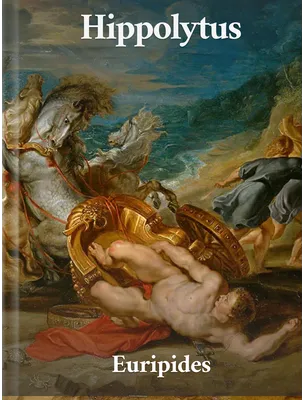
'Hippolytus' was first performed in 428 BC, making it one of the significant works of ancient Greek theater.
Hippolytus (Ancient Greek: Ἱππόλυτος, Hippolytos) is an Ancient Greek tragedy by Euripides, based on the myth of Hippolytus, son of Theseus. The play is set in Troezen, a coastal town in the north-eastern Peloponnese. Theseus, the king of Athens, is serving a year's voluntary exile after having murdered a local king and his sons. His illegitimate son is Hippolytus, whose birth is the result of Theseus's rape of the Amazon Hippolyta. At the opening of the play Aphrodite, Goddess of love, explains that Hippolytus has sworn chastity and refuses to revere her. Instead, he honours the Goddess of the hunt, Artemis.
Step into the world of ancient Greece with "Hippolytus," a powerful tragedy by the renowned playwright Euripides. This gripping tale centers around Hippolytus, the devoted son of Theseus, whose life takes a tragic turn due to the dangerous passions of others. At the heart of the story lies Phaedra, Hippolytus's stepmother, whose forbidden love ignites a series of devastating events. As the characters grapple with desire, betrayal, and the harsh judgments of the gods, the lines between honor and shame blur, leading to heartbreaking consequences. Euripides masterfully explores themes of love, loyalty, and the destructive nature of unchecked emotions. In this emotional journey, readers will witness how the quest for truth can unravel lives, leaving behind a trail of sorrow and regret. Prepare for a thought-provoking exploration of human nature and the complexities of relationships in this timeless classic.
Full Name: Euripides
Birthdate: c. 480 BC
Place of Birth: Salamis, Greece
Date of Death: 406 BC
Place of Death: Macedonia, Greece
Occupation: Playwright, Poet
Notable Works: Some of his most famous plays include "Medea," "The Bacchae," "Hippolytus," and "The Trojan Women."
Early Life: Euripides was born into a wealthy family on the island of Salamis. Little is known about his early life, but he likely received a good education and was influenced by the political and social issues of his time.
Literary Career: Euripides is known for his innovative and emotional approach to drama. He wrote around 92 plays, with 18 or 19 surviving to this day. His works often focused on strong female characters and explored themes of love, revenge, and the human condition. He was less popular than his contemporaries during his lifetime, but his influence grew after his death.
Personal Life: Euripides lived a relatively private life, often described as reclusive. He had three children with his wife, Melito. He spent his later years in Macedonia, where he died. His plays continue to be performed and studied, making him one of the most important figures in ancient Greek literature.
The play was written by Euripides, a prominent Greek playwright known for his innovative and emotional storytelling.
Euripides was inspired by the themes of love, vengeance, and the complexities of human nature, often drawn from Greek mythology.
'Hippolytus' is a tragedy, a genre that explores serious themes and often ends in sorrow or disaster.
The main characters include Hippolytus, the son of Theseus; Phaedra, his stepmother; and Artemis, the goddess of the hunt.
'Hippolytus' tells the story of the tragic consequences of love and betrayal, focusing on the relationship between Hippolytus and Phaedra.
Key themes include the conflict between love and reason, the power of the gods, and the consequences of desire.
The play symbolizes the struggle between human emotions and divine influence, highlighting the fragility of human relationships.
'Hippolytus' has been praised for its emotional depth and complex characters, though some critics find its themes challenging.
Yes, 'Hippolytus' has inspired various adaptations, including modern plays, films, and operas that reinterpret its themes.